Entropion and Ectropion: How Eyelid Surgery Restores Comfort and Vision
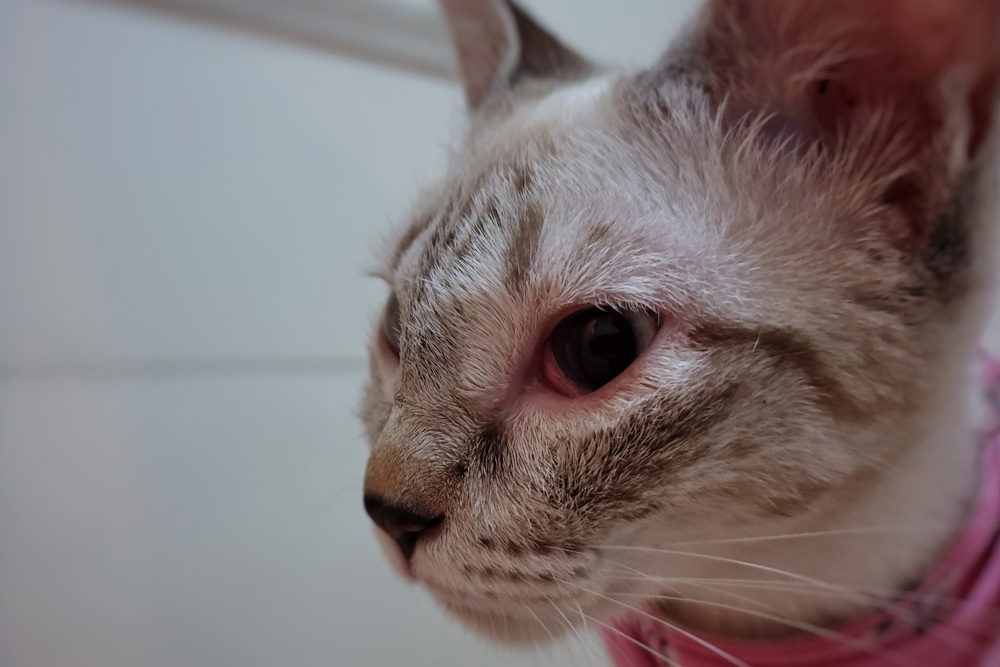
If your dog has been squinting for weeks, or your cat’s eyes are always watery no matter how many times you wipe them, you’re probably wondering what’s going on. Chronic eye discharge, redness, and irritation often trace back to eyelid problems that drops and ointments simply can’t fix. The good news? These issues are very treatable once we identify what’s happening.
Entropion turns eyelids inward so lashes constantly rub the cornea. Ectropion lets eyelids sag outward, exposing delicate tissues to debris and infection. Both cause ongoing discomfort and can damage vision if left untreated, but surgical repositioning corrects the structure and stops the irritation at its source.
Mission Veterinary Clinic in Granada Hills provides emergency and specialty surgical care for eyelid abnormalities. Our AAHA-accredited hospital handles both routine corrections and urgent cases where corneal damage demands immediate intervention. Through our comprehensive surgical services including ophthalmology procedures, we reposition eyelids to restore protective function. Our diagnostic capabilities help us assess the extent of any corneal injury and guide surgical planning, and our pain management protocols ensure a comfortable recovery. Whether entropion or ectropion developed from breed conformation or injury, surgical correction offers permanent resolution. Contact us to discuss eyelid surgery options for protecting your dog or cat’s vision.
Why Does My Pet Have Constant Tearing and Eye Irritation?
Picture this: your dog squints in the sunlight, paws at her face throughout the day, and has permanent tear stains down her cheeks. You’ve tried cleaning the area, maybe even some eye drops from the pet store, but nothing really helps. The problem might not be what’s in her eyes; it might be the eyelids themselves.
When eyelids sit in the wrong position, they create nonstop friction or exposure that no amount of medication can overcome. Two conditions cause most of these problems: entropion rolls the lid inward, and ectropion lets the lid droop outward. Neither responds well to drops alone, which is why surgery is often the lasting fix. Understanding the structure helps explain why the solution involves more than ointment.
What Are Entropion and Ectropion?
Entropion: When Eyelids Roll Inward
Entropion is an inward-rolling eyelid that makes hair and lashes contact the eye with every single blink. Imagine having a piece of sand stuck in your eye that you can never get out. That’s what entropion feels like for your pet, all day, every day.
Pets with entropion often squint, tear excessively, and develop thick discharge. You might notice them avoiding bright light or rubbing their face on furniture. Some dogs inherit this condition and show signs as puppies, while others develop it from painful eye conditions or age-related changes. Once the lid rolls in, the irritation often worsens the muscle spasm, creating a frustrating cycle of discomfort.
During an exam, we may apply numbing drops to distinguish true anatomic entropion (which needs surgery) from spastic entropion caused by eye pain from an ulcer or other issue. This distinction matters because spastic entropion sometimes improves once we treat the underlying pain source.
Ectropion: When Eyelids Sag Outward
Ectropion is the opposite problem. The lower lid sags away from the eye, exposing the pink inner tissue to the world. That gap collects dust, debris, and pollen while tears don’t drain properly. Bacteria thrive in this environment, and chronic conjunctivitis becomes a recurring headache.
While ectropion is usually less acutely painful than entropion, it still causes dryness, goopy discharge, and infections that clear up with medication but keep coming back. Many dogs live with mild ectropion for years before their families realize surgery can help. If you’ve been treating eye infections over and over without lasting improvement, ectropion might be the culprit.
Which Pets Are More Likely to Develop Eyelid Problems?
Breed and facial structure play the biggest roles in eyelid problems. If your pet has a squishy face, droopy skin, or prominent eyes, their risk goes up.
Dogs prone to entropion typically have loose facial skin or heavy folds. This includes Shar-Peis, Chow Chows, Bulldogs, Mastiffs, Rottweilers, and some Spaniels. Many hereditary eyelid conditions pass from parents to puppies, and extreme facial traits can make issues worse.
Dogs prone to ectropion are usually giant breeds with naturally droopy lower lids, such as Saint Bernards, Bloodhounds, Basset Hounds, and Cocker Spaniels. That adorable droopy-eyed look can come with real consequences.
Other risk factors include aging (tissues loosen over time), prior eye trauma, chronic eye inflammation, and significant weight loss in seniors that changes how the eye sits in the socket.
Cats develop eyelid problems less frequently, usually in middle age or later, often alongside other eye disease or age-related changes. Persians and other flat-faced cats face higher risk. Our team watches for early signs during wellness exams, especially in predisposed breeds.
What Signs Mean My Pet Needs an Eyelid Evaluation?
Trust your instincts. If something seems off with your pet’s eyes, it’s worth having us take a look. Here are the warning signs that suggest an eyelid problem:
- Tearing or mucoid discharge that never fully clears up
- Squinting or keeping one eye partially closed, especially in bright light
- Redness and swollen tissue along the inner eyelid
- Pawing at the face or rubbing eyes on furniture and carpet
- Eyelids that visibly roll inward or droop outward
- Lashes pointing toward the eyeinstead of away from it
- Cloudiness or a bluish haze on the cornea (this is urgent)
- Light sensitivity or reluctance to go outside
- Behavior changes like irritability when touched around the head
Cats are masters at hiding discomfort, so you might only notice subtle tear staining or a slight change in how they hold their eyes. Sudden squinting in a previously normal dog often means spastic entropion from an ulcer or foreign body, while gradual worsening points to an anatomic issue. Either way, prompt care helps protect vision.
If you notice any of these signs, schedule an exam so we can figure out what’s going on and get your pet feeling better.
How Do We Diagnose Eyelid Problems?
A thorough eye examination reveals the eyelid issue, any corneal damage, and underlying causes. We evaluate the eyelids before and after applying numbing drops to separate muscle spasm from true lid malposition.
Our diagnostic approach includes:
- Visual assessment of eyelid shape, position, and facial structure
- Tear testing to measure tear production (low production worsens irritation)
- Fluorescein stain to highlightcorneal ulcers or scratches
- Magnified examination to look for abnormal or misplaced lashes
- Evaluation of both eyes, even if only one looks affected
If numbing drops relax the spasm and the lid looks normal, surgery may not be needed once we treat the pain source. If the lid still rolls in after numbing, surgery is usually the answer. Some puppies benefit from temporary correction while their faces mature. For complicated cases, we coordinate referral to a veterinary ophthalmologist.
Our diagnostic capabilities help us make the right call so your pet gets exactly the care they need.
What Are the Surgical Options for Eyelid Correction?
When Temporary Fixes Make Sense
Temporary eyelid “tacking” uses small sutures or staples to hold the lid in a better position without permanent changes. This approach works well in certain situations:
- Puppies under six months whose faces are still growing
- Dogs with ulcers causing spastic entropion that may resolve once healed
- Families who prefer a trial before committing to permanent surgery
Temporary fixes provide relief now, and some pets end up not needing permanent correction. However, repeated procedures can add up in cost and expose pets to multiple anesthetics, so we’ll help you weigh the options.
Permanent Surgical Correction
Most entropion and ectropion cases are best addressed with permanent eyelid surgery. For entropion, we remove a small crescent of skin near the eyelid margin so the lid rolls back to its normal position. For ectropion, a wedge resection or similar technique tightens the droopy lid so it contacts the eye properly.
Careful planning matters here. We take a conservative approach to avoid overcorrecting and flipping the problem the other way. Breed differences influence technique, and some pets benefit from combined approaches if multiple eyelid areas are involved. Our individualized approach focuses on safe, predictable results tailored to your pet’s unique anatomy.
Special Considerations for Cats
Entropion in cats often appears in adulthood as facial fat changes shift lid position. Chronic eye disease can also contribute. Cats have delicate eyelid tissue, so gentle, precise correction is essential. Many feline cases do best with combined techniques to reduce the chance of recurrence.
Some cats also develop corneal sequestrum, a dark dead tissue plaque on the cornea, which may need treatment at the same time as eyelid repair. We’ll evaluate for this during the exam.
What Happens on Surgery Day?
We know surgery day can feel stressful, so here’s what to expect. Eyelid surgery is performed under general anesthesia for your pet’s comfort and to allow precise work on delicate tissue. We recommend pre-operative bloodwork, especially for seniors or pets with health conditions, and tailor the anesthetic plan to each patient.
Surgery typically lasts 30 to 90 minutes depending on the complexity. We use magnification and gentle techniques designed for eyelid tissue. Pain management starts before surgery and continues through recovery so your pet stays comfortable.
Most pets go home the same day with clear instructions and medications. More complex cases or pets who need extra monitoring may stay overnight.
What Does Recovery Look Like After Eyelid Surgery?
The First Few Days
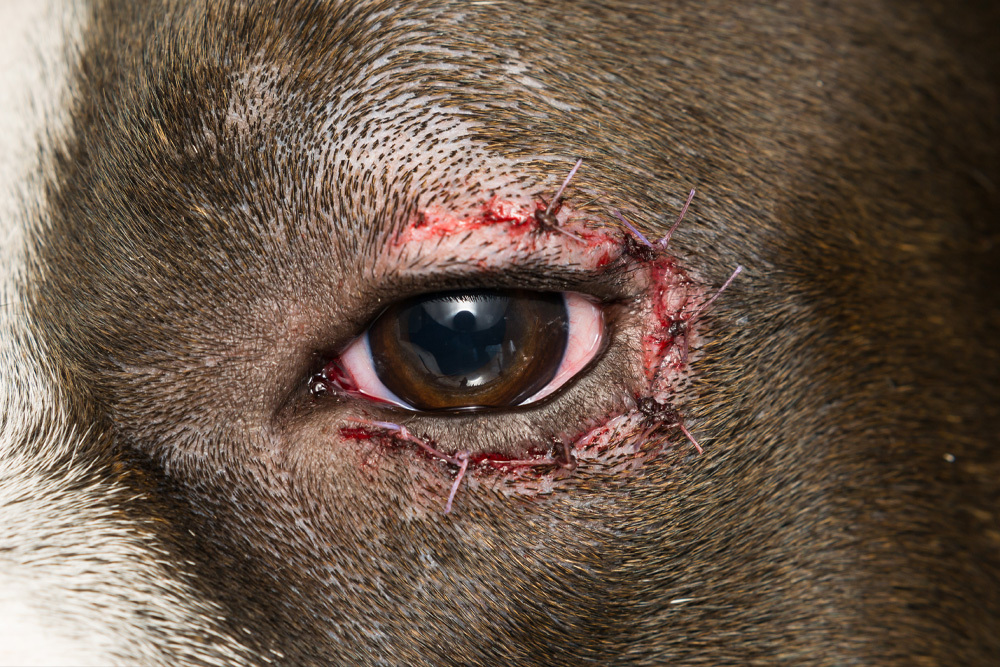
Some swelling and mild bruising around the surgical site is completely normal for the first 24 to 48 hours, then improves steadily. The sutures will look more obvious at first but settle as swelling goes down.
Your home care responsibilities include:
- Giving pain medication exactly as directed
- Keeping the Elizabethan collar on at all times (we know it’s annoying, but even brief rubbing can damage the repair)
- Administering eye medicationson schedule (always apply drops before ointments, and wait about 5 minutes between different medications)
- Using cold compresses if we recommend them
- Keeping the area clean and dry
- Limiting activity to prevent bumps or rough play
- Watching for warning signs
Contact us right away if you notice: worsening swelling after the first two days, smelly or colored discharge, broken or missing sutures, bleeding, or signs of severe pain. These aren’t common, but catching them early makes a big difference.
Healing Timeline and Follow-Up
Sutures typically come out at 10 to 14 days. The final eyelid position continues to settle over several weeks as tissues relax and swelling fully resolves. Rechecks help us confirm everything looks good and address any small touch-ups if needed.
Puppies and growing breeds may need longer monitoring since their faces are still changing. Most pets return to normal activity within three to four weeks and feel much more comfortable long before that.
What Results Can I Expect After Surgery?
The vast majority of pets experience clear, comfortable eyes after healing. Discharge and squinting typically ease as the irritation stops, and many families tell us their pet seems happier and more energetic once they’re not dealing with constant eye discomfort.
Results depend on how severe the problem was, how long it existed before treatment, and how closely you follow aftercare instructions. Some breeds with extreme facial features may occasionally need revisions, but most pets do beautifully with one procedure.
If your pet had corneal scarring before surgery, some cloudiness may remain. However, stopping the daily irritation protects vision going forward and prevents further damage.
For show dog owners: some breed standards restrict surgically altered eyelids, so check the rules before proceeding. That said, your pet’s health and comfort should always come first.
Frequently Asked Questions
What is entropion? Entropion is when the eyelid rolls inward so hair and lashes rub against the eye, causing pain, irritation, and potential damage if not corrected.
What is ectropion? Ectropion is a droopy lower eyelid that sags away from the eye, exposing the inner tissues. This traps debris, prevents proper tear drainage, and leads to chronic infections.
Can eye drops fix these problems? Drops can soothe irritation and treat secondary infections, but they can’t correct the eyelid position itself. Surgery is the lasting solution for anatomic entropion and ectropion.
How do I know if my pet needs surgery? If numbing the eye doesn’t correct the lid position, or if signs persist despite medical treatment, surgery is likely the best option. We’ll help you understand what we find during the exam.
Is recovery difficult? Most pets recover smoothly with an E-collar, medications, and some rest. Swelling fades within a few days, and sutures come out in about two weeks. The hardest part is usually keeping that collar on!
Your Partner in Protecting Your Pet’s Vision
Eyelid problems that cause tearing, squinting, and chronic discharge don’t have to be permanent. Entropion and ectropion respond beautifully to timely surgical correction, and most pets feel so much better once their eyelids work the way they should.
Our team has extensive experience identifying the cause of eye discomfort and fixing it comfortably for dogs, cats, and other species. We combine thorough diagnostic evaluation with skilled surgical care and supportive guidance from start to finish.
Trust your instincts. If your pet’s eyes seem off, watery, squinty, or just not right, don’t wait and wonder. Contact us to schedule an eye examination or ask questions. We’re here to help your pet see clearly and feel comfortable again.





Leave A Comment