

Fear is one of the most common reasons dogs and cats end up in emergency care. A panicked dog bolts through a door during a thunderstorm and gets hit by a car. A terrified cat hides for days, stops eating, and arrives with liver problems. A reactive dog escalates a scuffle at the park into a bite wound that needs surgical repair. These are not random accidents. In many cases, they trace back to a gap in early socialization, the critical window between roughly 3 and 14 weeks of age when puppies and kittens are most receptive to learning what is safe and normal in their world.
At Mission Veterinary Clinic, our AAHA-accredited team sees the consequences of fear-driven behavior every week. Prevention starts long before a crisis. If your pet is showing signs of distress, has been injured in a fear-related incident, or you’d like to come in and talk about how to prevent future anxiety, contact us and come in to chat with our team.
Why Does the Socialization Window Matter?
Socialization research consistently shows that experiences during the first weeks of life shape adult temperament more profoundly than any other factor. The 3 to 14 week window is when the brain is primed to incorporate new stimuli as normal. Positive experiences during this period become the template for how a pet interprets novelty for the rest of their life. Pets who miss this window often grow up perceiving ordinary things (visitors, traffic, vacuum cleaners, the carrier, the vet) as threats, and that perception is what drives the fear-based responses that lead to injury.
Reading canine body language and feline body language is essential for guiding socialization safely. Pets communicate discomfort long before they bite, bolt, or hide. Knowing what those signals look like is what lets you step in before an interaction goes wrong.
A quick comparison of confident vs. anxious body language:
| Body part | Confident pet | Anxious or fearful pet |
| Eyes | Soft, blinking | Wide, dilated pupils, hard staring or whale eye |
| Ears | Relaxed, neutral position | Pinned back, flicking, hyperalert |
| Body posture | Loose, balanced weight | Tense, crouched, weight shifted back |
| Tail | Neutral height, relaxed motion | Tucked, low, or stiff and high |
| Mouth | Soft, relaxed | Closed tightly, lip licking, yawning out of context |
| Behavior | Curious, exploring | Hiding, freezing, trying to escape |
Gaps in early socialization do not just produce behavioral inconveniences. They produce the fear-based responses that lead directly to the emergency presentations our team sees regularly: bite wounds from reactive dogs who could not be contained, cats in crisis from severe stress, or animals injured while fleeing.
What Good Socialization Looks Like
Good socialization is positive, controlled exposure. The goal is not to expose pets to as many things as possible in the shortest time, but to pair each new experience with something enjoyable so that novelty becomes associated with good outcomes rather than danger. A puppy who meets ten strangers at a noisy festival has not been “socialized.” They have been overwhelmed, and the experience may actually create the fear it was meant to prevent.
Common behavior issues in adult dogs (leash reactivity, aggression toward strangers, resource guarding, separation anxiety) frequently trace back to socialization gaps. These are not personality flaws. They are learned responses to perceived uncertainty, and many of them produce real safety risks for pets and the people around them.
Socialization targets for puppies:
- People of different ages, appearances, and ways of moving
- Other vaccinated, friendly dogs and cats
- Different surfaces and environments
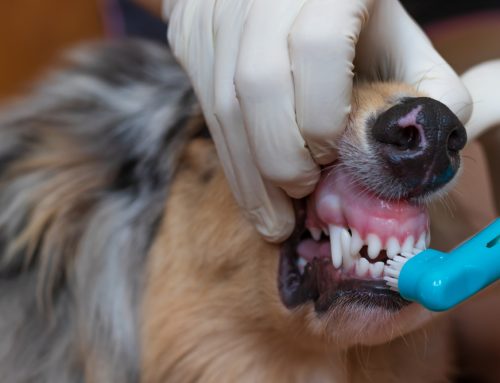
- Handling: ears, paws, mouth, being lifted
- Sounds: traffic, fireworks recordings, household appliances
- Car rides and travel
- Veterinary-style handling practiced at home before it is needed for medical reasons
For kittens, home-based socialization matters even more because cats are less portable. Regular gentle handling, carrier familiarity, exposure to household sounds, and meeting visitors in their own space build the resilience that makes future veterinary visits and household changes easier.
Early Socialization Strategies for Puppies and Kittens
The right approach makes the difference between socialization that builds confidence and socialization that creates problems. Here are the strategies that produce the best results in young dogs and cats.
Puppy Classes
Puppy classes that require vaccinations and use positive reinforcement provide structured, supervised group socialization with professional guidance. The American Veterinary Society of Animal Behavior specifically supports starting puppy classes before the full vaccine series is complete, because the behavioral benefit of early positive group exposure outweighs the disease risk in properly managed classroom settings with vaccinated participants.
Where families get into trouble is taking the wrong approach to early socialization. Dog parks, pet store floors, and other public spaces carry real parvovirus risk for incompletely vaccinated puppies. Parvovirus can survive in soil for up to a year and is the most common preventable cause of puppy emergency presentations we see. Safe early socialization happens in controlled settings with known, vaccinated dogs (puppy classes, friends’ yards, indoor play sessions with healthy adult dogs from your circle), not at the dog park.
Carrier and Leash Training
Carrier training transforms the carrier from a terrifying container into a neutral or even positive space. The trick is leaving the carrier out as a piece of furniture year-round, with a soft bed inside and the door propped open, so it becomes part of the cat’s normal environment rather than a once-a-year sign that something bad is about to happen. Adding treats, meals, or favorite toys inside builds positive associations.
A cat who accepts the carrier calmly can be safely transported to emergency care when needed. A cat who cannot be contained during a crisis may not get the care they need promptly, or may injure themselves or a family member during the attempt to capture them.
For puppies, loose-leash walking built through reward-based methods sets the foundation for safe walks throughout life. A dog who has been taught from the start that the leash is associated with treats, attention, and good things responds differently to leash pressure than one who has only learned to fight against it.
Exposure to Movement and Wheeled Objects
The world is full of moving objects that can frighten an unprepared dog. Bicycles, skateboards, scooters, strollers, and motorcycles all move quickly and unpredictably, and dogs who have not been calmly introduced to them as puppies often react with fear or chase behavior in adulthood. Both reactions create real safety problems. Controlled exposure during the socialization window (sitting at a distance with treats while bikes pass by, gradually decreasing the distance as the puppy stays calm) builds tolerance for the daily San Fernando Valley environment your dog will navigate throughout their life.
Why Training Approach Matters for Anxiety Prevention
How you train has as much impact on long-term anxiety as what you train. The methods you use are themselves shaping the pet’s relationship with the world.
Positive Reinforcement and Why It Builds Trust
Positive training builds a dog who responds reliably in stressful situations because the training was built on trust rather than avoidance of punishment. A dog with a reliable recall trained through reward-based methods will come when called even in a genuinely frightening situation, because they associate coming back with safety and good outcomes. A dog trained through aversion may comply when conditions are calm but fail when stress is high, because the training is held together by suppression rather than understanding.
Aversive methods (yelling, physical correction, shock collars, prong collars) carry well-documented risks for increased anxiety, fear-based aggression, and a damaged relationship between the pet and their family. The goal of training is not just compliance; it is a pet who feels safe enough to choose to listen, and that comes from a relationship built on trust.
Routines and Predictability
Pets, and cats in particular, draw a great deal of comfort from predictability. Consistent feeding times, walk schedules, bedtime routines, and household patterns reduce baseline anxiety because the pet always has a sense of what is coming next. Cats are especially sensitive to disruption, and even small changes (rearranged furniture, a new feeding location, an irregular schedule) can trigger stress-related behaviors and illness.
When schedule disruptions are unavoidable (vacations, new work hours, household changes), maintaining as many anchor points as possible (same morning routine, same evening routine, same feeding schedule) helps reduce the impact. Calming products and pheromone diffusers can provide additional support during transitions.
Reducing Fear at the Vet and During Grooming
Veterinary visits and grooming are two of the situations where fear most often translates directly into injury, both to the pet and to the people handling them. The good news: most of this fear is preventable with cooperative care training at home.
Cooperative care is teaching your pet to actively participate in their own care: holding still for nail trims, accepting handling of ears and paws, allowing eye drops or oral medications, and tolerating brushing. The key is breaking each task down into tiny steps and pairing each step with treats or praise so the pet builds positive associations rather than fear.
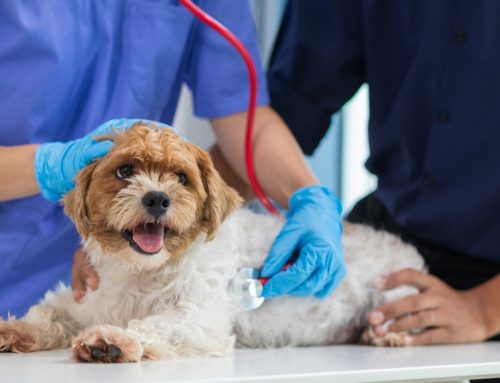
For cats, preparing for vet visits starts at home with carrier training, regular handling of paws and mouth, and practicing the kind of touch they will experience at the clinic. A cat who is used to being gently restrained, having their belly touched, and having their face examined at home is dramatically less stressed when those same things happen at a veterinary appointment.
The downstream benefit is significant: pets who have been prepared for handling are less likely to injure themselves or others during emergency situations, have a nail clipped too short when they jerk a paw back, receive a cut from a pair of scissors at the groomer when they try to jump off the table, less likely to need sedation for routine procedures, and more likely to receive the care they actually need.
Reading Stress Signals in Pets
Stress signals including yawning, lip licking, pinned ears, and weight shifting communicate discomfort before a situation escalates to biting or bolting. The stress ladder framework helps families understand where their pet is in an escalating stress response, from low-level discomfort all the way to overt aggression or panic.
The single most important thing to know: punishing stress signals (especially growling or hissing) removes the warning without removing the fear. A pet who learns that low-level communication produces punishment may simply skip the warning next time and proceed directly to biting. The growl is information, not bad behavior. Respecting early signals and creating distance from the trigger is both safer and more effective than suppressing the warning.
Preventing Specific Anxiety-Driven Behaviors
Several anxiety patterns are particularly likely to result in emergency presentations. Each has specific early interventions that prevent them from becoming entrenched.
Reactivity
Reactive behavior is fear-based, even when it looks like aggression. A reactive dog lunging and barking at another dog is communicating that the other dog is too close and they need more space. The behavior often leads to emergency presentations: a reactive dog bolts, wraps the leash, or initiates a conflict that ends in bite wounds for everyone involved.
Engage-disengage training is one of the most effective early interventions. The dog is rewarded for noticing a trigger and then voluntarily looking back at their handler, which builds the habit of disengaging from stressful stimuli. Combined with thorough early socialization that prevents the development of reactivity in the first place, these tools dramatically reduce the risk of fear-driven incidents in adulthood.
Resource Guarding
The trade game builds a dog’s willingness to give up items in exchange for something better. The goal is teaching that a hand approaching a resource adds something good rather than taking something away. Done consistently from puppyhood, the trade game prevents the guarding behavior that leads to bite wounds when a family member or child approaches a dog with a prized object.
A common piece of old advice (taking food away from a dog while they eat to “prevent” guarding) actually does the opposite. It teaches the dog that hands approaching the food bowl mean the food disappears, which is precisely what creates guarding behavior in the first place. Trading up, not taking away, is the approach that builds trust and safety.
Separation Anxiety
Separation anxiety is a serious condition that can lead to self-injury (broken teeth and torn nails from trying to escape crates, lacerations from chewing through doors and windows), property damage, and cases where dogs escape the home entirely and end up injured in traffic. Signs include destruction focused on exits, vocalization while alone, inappropriate elimination, drooling, and panic on departure.
Gradual independence training from an early age prevents the pattern from forming. Puppies who learn that brief separations are normal and not threatening grow into dogs who tolerate alone time well. The opposite (constant togetherness from the start) sets the stage for panic when separation eventually becomes necessary. Crate training as a positive resting space, not a punishment, helps build comfort with confinement before it is needed.
Noise Aversion
Noise aversion from fireworks, thunderstorms, and sudden loud sounds drives pets to bolt through windows, doors, and fences. The San Fernando Valley’s proximity to major roadways means a fleeing pet faces serious traffic risk. Fourth of July is consistently one of our busiest emergency periods for exactly this reason.
Sound desensitization recordings during puppyhood, paired with treats and calm owner responses, build resilience to common scary sounds. For pets who already have noise aversion, situational medications, calming products, and a safe, sound-buffered hiding space all help reduce the panic. Identify your pet’s triggers early and address them before the next storm or holiday becomes an emergency.
Tension in Multi-Pet Households
Multi-pet tension, particularly in multi-cat households, produces wounds from fights, severe stress-induced illness, and urinary crises in affected cats. Resource competition is the usual driver: not enough food bowls, water bowls, litter boxes, resting spots, or vertical territory.
The general rule of thumb for cats is one resource per cat plus one extra, distributed throughout the home so that no cat has to pass another to access what they need. Vertical territory (cat trees, shelves, perches) gives cats the option to escape upward when they feel pressured. Separate feeding stations reduce mealtime conflict. These practical changes can dramatically reduce household tension, and along with it, the injuries and stress-related illness that come from chronic conflict.
When Should Behavior Changes Prompt a Vet Visit?
A sudden behavior change in a previously well-adjusted pet should always begin with a medical evaluation rather than behavioral intervention. New aggression, hiding, destructive activity, vocalization, or changes in elimination habits can all be signs of underlying medical problems rather than purely behavioral issues. Pain (especially from arthritis or dental disease), neurological changes, hormonal shifts (thyroid disease, adrenal disease), and sensory decline (vision or hearing loss) can all produce behavioral changes that look like anxiety.
When a behavior change is new and unexplained, medical assessment needs to rule out underlying causes before assuming the change is purely behavioral. Treating “anxiety” when the actual cause is pain or illness leaves the pet uncomfortable and the real problem unaddressed.
What We See at Mission
Fear-based emergencies arrive at our facility regularly: bite wounds from dogs whose early socialization was incomplete, cats in severe stress with anorexia and complications from prolonged hiding, injuries to people and animals when unpredictable reactions caught everyone off guard, dogs hit by cars after fleeing during fireworks or thunderstorms.
Our team handles the aftermath, and we support every family who arrives at a difficult moment. We are also here for regular visits to talk to pet owners about situations that are preventable, and that the investment in early socialization and positive training has a real return in fewer emergency visits, fewer injuries, and a longer, calmer life for the pet.

Frequently Asked Questions
Can anxiety in adult pets be improved if socialization was missed?
Yes, though it requires more time and often professional guidance. Counter-conditioning and desensitization can meaningfully reduce fear responses in adult pets. A veterinary behaviorist is the highest-trained resource for significant cases, and a certified trainer who uses positive reinforcement methods can help with milder issues.
Is medication appropriate for anxious pets?
Sometimes. Behavioral medication is most effective alongside behavior modification, not as a replacement for it. Situational medications for thunderstorms, fireworks, and travel, and daily medications for generalized anxiety disorders, are both available and appropriate for specific cases. The goal is not to mask anxiety but to lower the baseline enough that behavior modification can actually take hold.
How do I know if my pet’s fear level is an emergency?
Signs that warrant immediate evaluation: a pet who will not eat or drink for more than 24 hours due to fear, significant self-trauma from anxiety, a pet who has escaped and been retrieved after a fear response, or any injury sustained during a fear-related incident.
My adult cat or dog has serious anxiety problems. Is it too late?
It is harder, but not too late. Adult anxiety is more entrenched than puppy or kitten anxiety, but it does respond to consistent behavior modification, environmental management, and sometimes medication. Working with a veterinary behaviorist or qualified trainer often produces meaningful improvement.
Prevention Is the Best Emergency Medicine
At Mission Veterinary Clinic, our services focus on both emergency intervention and routine care. We know that many of the most serious cases we see could have followed a different path with different early experiences. Socialization, positive training, and consistent enrichment are not optional extras in a pet’s life; they are the foundation that determines whether the world feels safe or terrifying. Anxiety problems prevented in puppyhood and kittenhood are dramatically easier to address than the same problems in adulthood, and the difference often shows up in fewer emergency visits, fewer injuries, and a calmer life for the whole family.
Contact us today if you are concerned about a behavioral escalation that poses a safety risk or want to chat about proper socialization for a new pet.







Leave A Comment