
Most cardiac treatment plans for a dog or cat pull from three working groups of medications, each doing a different job. Drugs in the first help the heart muscle contract more effectively, drugs in the second pull excess fluid out of the lungs and body, and drugs in the third ease the workload on the heart by relaxing blood vessels. Together they slow the progression of heart disease and keep many dogs and cats comfortable for years rather than months. A new cardiac diagnosis with a fistful of unfamiliar pill bottles is genuinely overwhelming, but most pets respond well once the right combination is dialed in, and understanding what each class is doing makes the daily routine far less intimidating.
Mission Veterinary Clinic in Granada Hills has served the San Fernando Valley for more than 20 years, and heart disease is one of the conditions we work up regularly across both dogs and cats. We have chest X-rays, cardiac ultrasound, and in-house bloodwork to diagnose a new case of heart disease, monitor an existing patient, and catch fluid buildup before it becomes a crisis. Because we run 24/7 ER and urgent care alongside routine visits, a cardiac patient who suddenly worsens has somewhere to land with a team they know. We are triage-based and capacity-limited, so please call ahead. If you are worried about your pet’s heart, get in touch with our team and we will walk through the next steps.
Cardiac Medications in a Nutshell
- Cardiac treatment usually combines several medications because heart failure creates multiple problems at once, and each drug class handles a different piece of the failing system.
- The specific diagnosis, confirmed with imaging rather than a murmur alone, is what shapes which drugs your pet actually needs.
- Counting resting breaths at home is the single most useful thing you can track, since a rising rate often flags fluid buildup days before other signs appear.
- Most dogs and cats live comfortably for a long stretch once the right combination is dialed in, and rechecks keep it working as the disease shifts.
Which Cardiac Conditions Turn Up in Dogs Versus Cats?
Heart disease is a family of conditions, and the exact diagnosis shapes the whole treatment plan, because a drug that helps one problem can be wrong for another. Some pets are born with a defect, and these congenital heart disorders appear in both species, but most cases are acquired with age and look different between dogs and cats. That is why pinning down the diagnosis comes first: it decides which drug goes in the pillbox and how often we recheck.
The Heart Problems Dogs See Most Often
The main canine heart problems break down like this:
- Mitral valve disease: the most common acquired heart condition in dogs, wearing down a left-side valve until it leaks, seen most in small breeds like Cavalier King Charles Spaniels.
- Dilated cardiomyopathy: stretches and weakens the heart muscle so it cannot squeeze effectively, seen more in Dobermans and Great Danes.
- Arrhythmias: disturbances in the heart’s electrical rhythm, including sick sinus syndrome, in which the natural pacemaker fires too slowly or erratically. More common in breeds like Boxers and Schnauzers.
The Heart Problems Cats See Most Often
By far the most common feline heart disease is hypertrophic cardiomyopathy, a thickening of the heart muscle that cats hide so well the first sign is sometimes a sudden crisis, with Maine Coons and Ragdolls carrying a known genetic risk. Cats develop other cardiac problems too. A taurine-deficient form of heart muscle failure is now rare thanks to supplemented diets. Restrictive cardiomyopathy leaves the heart stiff and unable to fill. They also get irregular heart rhythms. Heart disease is also more common with medical conditions like hyperthyroidism. The theme with cats is silence: they hide symptoms until the disease is well advanced.
When Is Breathing Trouble a Reason to Drop Everything?
Some breathing changes are true emergencies. A resting rate over 40, open-mouth breathing in a cat, and pale or blue gums all point to respiratory distress, and any of them means same-day care, not wait-and-see. Fainting or collapse belongs in that urgent category too.
Knowing these ahead of time is what lets you act instead of second-guessing at 2 a.m. Collapse can signal a rhythm problem or the heart briefly failing to move blood to the brain. If you see labored, belly-heaving breathing or gums that have lost their healthy pink, treat it as an emergency and call us on your way in.
Not every sign is a five-alarm event, though, and many cardiac changes start quietly long before a crisis ever arrives. The early signs of heart disease are easy to write off as aging: a dog who tires on a walk they used to breeze through, a soft cough that appears mostly at night, or a cat who simply moves around less. That reduced exercise tolerance is often the very first thing a family notices, though it rarely gets connected to the heart. Dogs are more likely to cough and slow down visibly, while cats are quieter about it.
What Do You Gain by Finding Heart Disease Sooner?
Heart disease caught early and managed proactively produces better outcomes than a problem found only after a pet is already in crisis. Starting the right medication before symptoms appear can genuinely buy a dog or cat more good time, and it means the first sign of trouble is a chart note from a checkup rather than a frightening night of labored breathing.
Routine wellness visits are where a lot of this happens, especially for senior pets. One of the most common ways heart disease first surfaces is during an ordinary exam, and heart murmurs spotted this way often give us a head start on a problem the pet is not yet showing at home. Preventive testing in older pets goes beyond the stethoscope to catch changes before they become symptoms. One example is a blood marker called ProBNP that rises when the heart is under strain. A murmur is not a cause for panic, but it is a good reason to look closer.
What Tests Turn a Murmur Into an Actual Diagnosis?
Treatment decisions rest on what the diagnostics actually show, not simply on whether a murmur is present. Two pets with identical murmurs can need completely different medications, or one may need none yet, and the only way to tell them apart is to look at the heart’s structure and rhythm directly.
A handful of tools do that work:
- Auscultation with a stethoscope is the starting point, and can let us hear a murmur, irregular heartbeat, or fluid in the lungs.
- Chest X-ray shows heart size and whether fluid is backing up in the lungs.
- An echocardiogram, or cardiac ultrasound, shows which chambers are enlarged and how well the muscle is actually pumping.
- For rhythm concerns, an electrocardiogram records the heart’s electrical activity in the moment, and a full-day Holter monitor does the same over an extended stretch to catch intermittent problems that come and go.
We build the diagnosis around all of these findings together, and some pets are referred to a specialist for advanced testing when the picture calls for it.
Why Isn’t a Single Pill Enough for a Failing Heart?
A failing heart squeezes weakly and works against vessels that are too tight, causing fluid to back up into places it shouldn’t be, and no single pill fixes all three issues. That is why combining cardiac medications that each target a different piece works better than leaning on one drug.
There is a practical payoff to the layered approach as well. Each drug can work at a gentler dose than it would need alone, which usually means fewer side effects, and when the disease shifts, we can adjust one piece of the plan without rebuilding the whole thing. Here is how the main classes line up:
| Medication class | Common examples | What it does |
| Inodilator | Pimobendan | Helps the heart muscle contract and relaxes blood vessels |
| Diuretics | Furosemide, spironolactone | Pull excess fluid out of the lungs and body |
| ACE inhibitors | Enalapril, benazepril | Relax blood vessels and ease strain on the heart and kidneys |
| Beta-blockers | Atenolol, sotalol | Slow and steady the heart rate in specific rhythm problems |
Meet the Four Drug Classes and the Jobs They Do
Each group in that table does a specific job, and knowing what to expect from each makes the daily routine less intimidating:
- Pimobendan (inodilator): often the cornerstone of a canine plan, it helps the weakened muscle contract more forcefully while relaxing blood vessels, and most dogs tolerate it well and seem brighter within days. Timing matters: the case for starting pimobendan before symptoms comes from the EPIC study, where dogs in the silent stage of mitral valve disease stayed out of heart failure noticeably longer when the drug was begun early.
- Diuretics (furosemide, spironolactone): furosemide pulls fluid out of the lungs fast when a pet is in or near a congestive crisis, so expect more drinking and urinating. Spironolactone is a gentler, longer-acting partner that adds some protection to the heart muscle over time. Because flushing fluid shifts electrolytes and can strain the kidneys, our in-house laboratory testing lets us check those numbers when a diuretic starts and whenever a dose changes.
- ACE inhibitors (enalapril, benazepril): these block a hormone system that tightens vessels and holds onto fluid, working quietly in the background, which is why they are combined with other drugs. They also do double duty for pets who run high blood pressure, and managing systemic hypertension matters because it silently strains the heart, kidneys, and eyes. We watch renal values while a pet is on them.
- Beta-blockers (atenolol, sotalol): reserved for specific rhythm disturbances or forms of cardiomyopathy where a racing heart is doing harm. Slowing the heart is powerful, and the wrong dose can drop the rate too far or reduce how well a weak heart pumps, so we start low, watch how the heart responds, and adjust gradually.
Your Daily Role in Keeping the Heart Steady
Day-to-day management at home is a genuine partnership, and a few simple habits let you track your pet’s condition between rechecks and catch changes early. None of it requires special equipment, and what you gather at home often tells us more than one snapshot in the exam room does.
Counting Sleeping Breaths, and Why That Number Matters
The single most useful number you can track at home is your pet’s resting respiratory rate, measured as breaths per minute while they sleep, because a steady climb often flags fluid backing up days before you would notice anything else. Count one breath as a full in-and-out chest movement for 30 seconds while your pet is dozing or fully relaxed, and double it. Do it a few times a week and jot the numbers down. Here is how to read them:
- Under 30 breaths per minute: The normal resting range for most dogs and cats, and a steady number here is reassuring.
- 30 to 40 breaths per minute: Worth watching closely; recheck it several times over the next day and tell us if it is climbing.
- Consistently over 40 breaths per minute: Call us the same day, since a resting rate this high can mean fluid is building up in the lungs.
The Other Signals Worth Logging Between Visits
Beyond breathing, a few other data points help us spot trends. Weekly weigh-ins matter because sudden gain can mean fluid retention, while gradual loss can signal the disease advancing. Appetite and energy are worth a quick daily note, since a pet who goes off food or seems flatter is telling you something. And cough frequency is useful for dogs in particular, so if an occasional nighttime cough becomes constant, that is a change we want to hear about.
Getting the Pills In, Day After Day
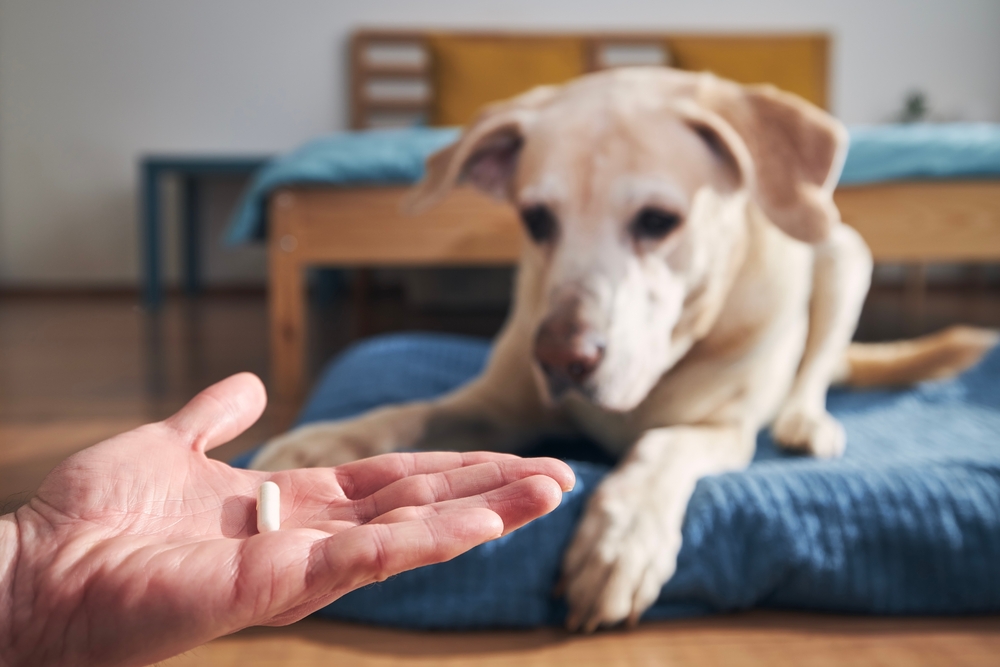
Consistency is what makes these medications work, so the goal is a routine that sticks. If you miss a dose, give it when you remember unless it is nearly time for the next one, in which case skip it rather than doubling up, and never give an extra diuretic dose without checking with us first. Many cardiac drugs also come in compounded or flavored formulations. If getting doses in has become a struggle, reach out with questions about medication alternatives and we will help you find a format your pet will actually accept.
What Path Does Heart Disease Usually Follow?
Heart disease is progressive. Early on, the heart compensates so well that a pet looks completely normal, and medication may be about protecting it before symptoms appear. Over months to years, drug needs tend to increase and rechecks catch the changes that call for a dose adjustment. As it advances, fluid starts to pool, which is what congestive heart failure looks like.
Understanding the general arc helps you know what to watch for at each stage rather than being blindsided. This is not a countdown, and plenty of pets live comfortably for a long stretch at each stage. What matters is that the plan flexes as things change, and the veterinarians caring for your pet stay a steady partner through every phase.
Cardiac Medication Questions Pet Families Ask Us Most
Will my pet be on these medications for the rest of their life?
In most cases, yes. Heart disease is a chronic, progressive condition, so the medications manage it rather than cure it, and stopping them usually lets the underlying problem catch up quickly. The plan itself is not fixed, though. Doses often change over time, and medications may be added or adjusted at rechecks as your pet’s needs shift. Think of it as ongoing management, much like heart medicine in people.
Are there side effects I should watch for?
Every cardiac drug has possible side effects, but most pets tolerate them well, especially when doses are dialed in gradually. Diuretics cause more drinking and urinating and can stress the kidneys, which is why we monitor bloodwork. ACE inhibitors can affect those same organs, and beta-blockers can slow the heart too much if not dosed carefully. If you notice new lethargy, poor appetite, vomiting, or a big change in breathing, let us know so we can check whether an adjustment is needed.
My dog seems totally normal. Why start medication now?
This comes up often, and it is a fair question. For certain conditions, particularly mitral valve disease with an enlarging heart, starting a medication like pimobendan during the silent stage can delay the onset of heart failure and buy more good time. The absence of symptoms does not mean the heart is fine, it means the heart is still compensating. Treating early, guided by imaging, is often what keeps that comfortable stage going longer.
Walking Your Pet’s Heart Journey Alongside You
A good cardiac plan is a two-way effort. The numbers you track at home, resting breaths, weekly weights, appetite, and energy, work hand in hand with regular rechecks to keep the medication combination doing its job as the disease shifts over time. Neither piece works as well alone, and together they are what keep so many dogs and cats comfortable for years.
If your pet was recently diagnosed, is due for a medication review, or you have simply noticed something feels off, we would be glad to help. Our team provides heart care for dogs and cats across the San Fernando Valley, 24/7. You can come in for a cardiac evaluation whenever you are ready.








Leave A Comment