
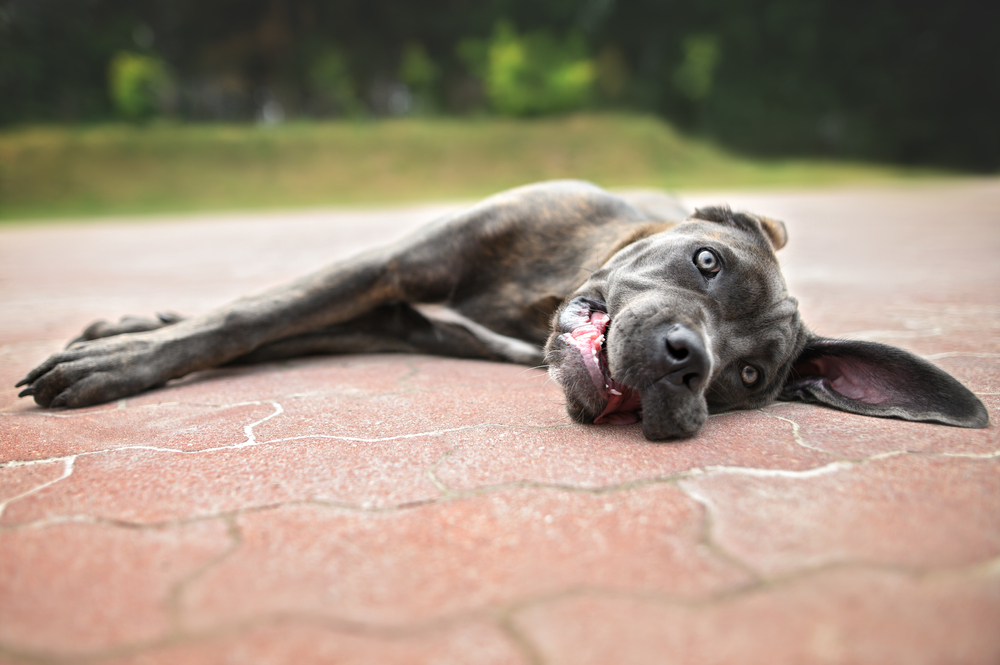
A pet experiencing heatstroke has roughly fifteen to thirty minutes before kidney, liver, and clotting damage becomes very hard to walk back. That window tightens with every degree the core temperature climbs and gets shorter still for flat-faced breeds, seniors, and pets already managing a chronic condition. Active cooling and driving straight to a veterinary hospital is your top priority. Begin cooling in transit by wetting the belly, armpits, and groin with cool tap water, cranking the air conditioning, and calling ahead so a treatment area is prepped. Roadside cooling buys minutes, but it does not finish the job a hospital does.
Mission Veterinary Clinic in Granada Hills keeps an emergency and urgent care service set up for exactly this kind of arrival, with oxygen support, in-house bloodwork, fluid therapy, and a hospitalization ward on hand to stabilize a collapsed dog or cat and track the organ fallout that tends to show up in the hours after. We run on a triage system, so a phone call before you pull in lets us prepare for your pet specifically. If you want a proactive conversation about summer risk for a brachycephalic or senior pet, come in for a wellness visit and we can discuss how to make this a safer summer.
The Heatstroke Essentials
- Heatstroke is a true emergency, and the first fifteen to thirty minutes of active cooling on the way to a hospital can be the difference between recovery and organ failure.
- Cool your pet with cool tap water on the belly, armpits, and groin plus a fan or air conditioning, never ice water and never a wet towel draped over the body.
- A pet who bounces back after cooling can still develop kidney, liver, heart, and clotting problems over the next one to three days, so monitoring matters even when they look fine.
- Prevention is mostly routine: fresh water always within reach, walks in the cool hours, cool indoor retreats, and never a parked car, even for a minute.
When Does Overheating Turn Into a True Emergency?
Early heatstroke shows up as frantic, nonstop panting, thick ropey drool, and gums that look brighter red than usual. Catching it at this stage, before your pet gets wobbly or collapses, is where you have the most power to change the outcome. The signs escalate in a fairly predictable order as the body loses its ability to cope.
The earliest warning signs of heatstroke in pets give way to stumbling, vomiting, and pale or bluish gums as the situation turns critical.
| Stage | What you might see |
| Mild / early | Heavy panting, restlessness, seeking shade or cool floors, bright red gums, thick drool |
| Moderate | Weakness, wobbliness, vomiting or diarrhea, glazed look, rapid heart rate |
| Severe | Collapse, disorientation, seizures, pale or bluish gums, unresponsiveness |
The color of the gums is one of the most useful things you can check at home. Healthy gums are bubblegum pink and moist. Brick red means overheating; pale, gray, or blue means the body is in serious trouble and every minute counts.
What Should I Do First If I Think My Pet Is Overheating?
Move your pet out of the heat immediately, start cooling with cool (not cold) water on the belly, armpits, and groin, get airflow going with a fan or air conditioning, and call ahead to a veterinary hospital while someone drives. Staying calm and working in this order buys the time that treatment needs.
The first move on a heat emergency is cool water and steady airflow over the paws, belly, and armpits, never an ice bath and never a wet towel draped over the body, which traps heat instead of releasing it. Here is the stepwise version to keep in your head:
- Get to shade or a cool room and out of direct sun right away.
- Wet the right spots: belly, armpits, groin, and paws with cool or tepid tap water, not ice.
- Add airflow: a fan, open car windows on the move, or air conditioning on full.
- Offer small sips of water if your pet is alert and wants it. Never force water into a wobbly or unconscious pet.
- Do not over-cool: stop active cooling once your pet perks up, since chilling can swing too far the other way.
- Call as you go: a quick call lets a team prep for your specific pet.
If your pet is stumbling, vomiting, or showing pale or bluish gums, this is an emergency. Call us before you head over so our team can be ready the moment you arrive, and keep cooling the whole drive.
What Does Emergency Heatstroke Treatment Actually Involve?
Hospital treatment of heatstroke works in three layers: controlled cooling to bring the core temperature down safely, intravenous fluids to replace lost volume and support blood pressure, and close management of the secondary complications that follow. The danger does not end when the temperature normalizes, which is why hospitalization matters.
In the hospital, controlled cooling and fluid volume replacement come first, followed by close management of secondary complications, because the risk of death is highest in the first 24 hours after a heat event. Controlled is the key word: cooling too aggressively can overshoot and cause its own problems, so it is done with monitoring rather than guesswork.
Alongside cooling and fluids, respiratory and oxygen therapy supports pets who are struggling to breathe, and continuous monitoring tracks heart rhythm, temperature, and how the organs are holding up. Bloodwork drawn on arrival and repeated over the next hours tells the team which systems took the hit and where to focus. A pet who arrives early and stable has a very different path than one who collapsed and stayed down, which is exactly why speed matters so much.
My Pet Seems Better Now, So Why Does the Vet Want to Keep Watching?
Heatstroke damage often shows up hours after the temperature comes down. A pet who looks bright and normal after cooling can still slide into organ dysfunction, dehydration, and clotting problems over the following one to three days. Severe overheating can also trigger a body-wide inflammatory cascade (Systemic Inflammatory Response Syndrome, or SIRS), where the whole system tips into overdrive. That delayed danger is the single biggest reason a pet who “seemed fine” still needs monitoring.
One of the most dangerous of these is disseminated intravascular coagulation, a cascade where the blood clots and bleeds abnormally at the same time and internal bleeding can follow. This is why we lean on laboratory testing and intensive care monitoring after a serious heat event. Trending the numbers over time catches trouble while it is still treatable, long before it would be obvious at home.
Which Pets Are Built to Struggle in the Heat?
Flat-faced breeds like Bulldogs, Pugs, Boston Terriers, and Persian cats struggle most, along with thick-coated pets, puppies, kittens, seniors, overweight pets, and those with heart or breathing problems. Dogs and cats cannot sweat like people. They cool mostly by panting, so when the air is hot and humid, the core temperature climbs and heatstroke sets in fast.
Think of a husky in a thick double coat on a July afternoon, or a Persian cat sprawled in a sunny window with no breeze. Some pets are simply built to struggle more in the heat. The risk factors that matter most:
- Breed and face shape: Flat-faced (brachycephalic) breeds like Bulldogs, Pugs, Boston Terriers, and Persian cats have narrowed airways that make panting far less effective.
- Coat: Thick, dark, or double coats trap heat against the body.
- Age: Puppies, kittens, and senior pets regulate temperature poorly and tire in the heat sooner.
- Body condition: Extra weight adds insulation and makes the whole cooling system work harder.
- Health history: Heart disease, breathing problems, and other underlying health conditions leave a pet with less reserve when the temperature spikes.
Brachycephalic pets deserve a special note here. Extra weight makes brachycephalic thermoregulation even harder, so a lean body condition gives flat-faced dogs and cats their best shot at shedding heat through an already-compromised airway. If your pet checks one of these boxes, summer plans should be built around them, not the other way around.
How Do You Keep an Outdoor Cat Safe in Summer?
Outdoor and indoor-outdoor cats need shade, water, and a way out of the sun that they can reach on their own. Cats are good at hiding discomfort, so building a safe environment matters more than watching for symptoms. The goal is to make cool, shaded, hydrated options the easy default.
Outdoor cat summer safety comes down to several shaded water bowls refreshed often, a ventilated shelter or safe enclosure, and supervised outdoor time that keeps cats out of direct midday sun. Set water bowls in a few spots so one is always close, refresh them often so the water stays cool and appealing, and add shaded retreats like a covered porch, a ventilated shelter, or a “catio” enclosure. During the hottest stretch of the afternoon, indoors is safest, even for a cat who prefers the yard.
How Can Your Pet Stay Cool Indoors on the Hottest Days?
Indoors, aim for steady air conditioning or fans, easy access to cool flooring like tile, shaded spots away from sunny windows, and low-key enrichment that keeps your pet occupied without overexertion. A comfortable, mentally engaged pet is far less likely to overheat than a bored one pacing in the heat.
On the hottest afternoons, indoor boredom busters like scent games and food puzzles keep a restless pet occupied in the air conditioning without the overexertion that comes with going outside. You do not need to buy much, either. Frozen treats stuffed into a rubber KONG and other DIY enrichment toys turn a boring hot day into low-effort mental exercise that burns energy without raising body temperature. Rotate a couple of these through a hot afternoon and most pets settle right down.
Building Everyday Habits That Keep Staying Cool Within Reach
Everyday heatstroke prevention comes down to simple habits: keep water available everywhere your pet spends time, bring water along on outings, give your pet cool surfaces and shade to retreat to, and watch for early panting so you can act before overheating starts. None of this is complicated, and all of it adds up.
A few practical additions that work well:
- Multiple water stations indoors and out, refilled and refreshed through the day.
- A cooling mat or damp towel to lie on, plus a fan pointed at a favorite resting spot.
- Proactive breaks: rest in the shade every so often instead of waiting for your pet to flag.
If you are unsure which cooling products suit your particular pet, or you want a hydration plan built around a senior or brachycephalic dog, our veterinary team is happy to talk it through with you.
When Is It Safe to Walk and Play Outside in Hot Weather?
Preventing heatstroke on hot days starts with walking in the early morning or late evening, dialing back how hard your pet works, checking that pavement is cool enough for a bare hand, and ending play at the first sign of heavy panting. A good rule for pavement: if you cannot hold the back of your hand to it for seven seconds, it is too hot for paws. Hot asphalt can burn paw pads quickly, so stick to grass and shade when you can.
July and August weather in Granada Hills regularly hits triple digits, far too hot for pets to be out. During peak heat, activity should be shorter, gentler, and ended at the first sign your pet is struggling. If your dog is the type who will chase a ball until they drop, you are the one who has to call it. Cut play short before the panting turns frantic, not after.
Why Is Leaving a Pet in the Car So Dangerous, Even for a Minute?
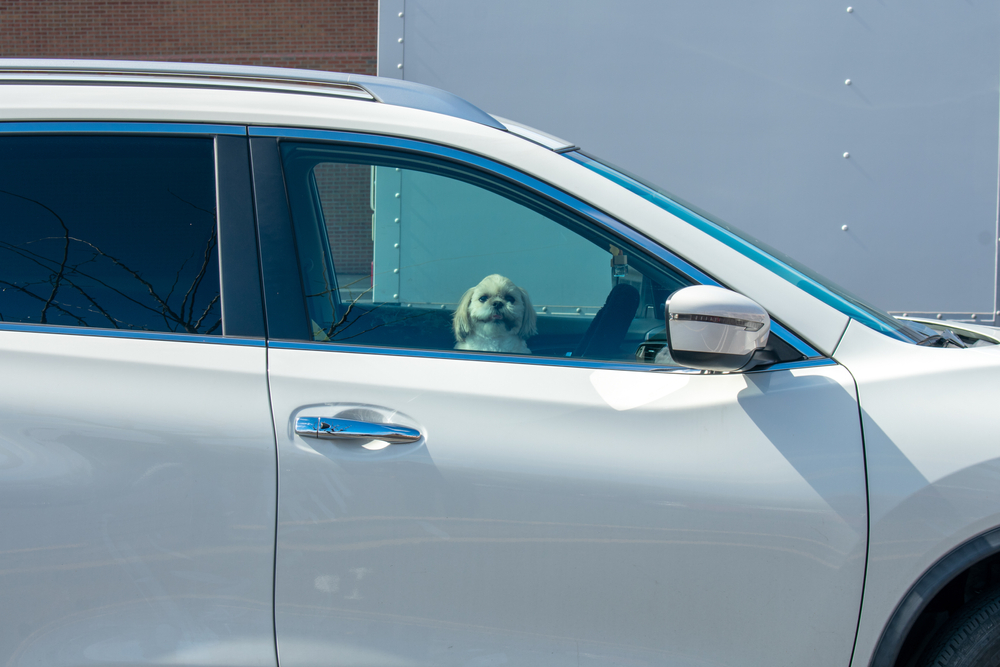
A parked car turns into an oven astonishingly fast. On a warm day the interior can reach lethal temperatures within minutes, and cracking the windows does almost nothing to slow it. There is no safe version of “just a quick errand” with a pet waiting in the car.
A parked car can climb past 100 degrees within ten minutes even on a mild day, and hot vehicles take pets’ lives every summer because a cracked window barely slows the rise. Many areas, including here in California, have laws around leaving animals in hot cars, so the safest choice is simple: if your pet cannot come inside with you, leave them home. If your pet was shut in a hot car and is now panting hard, drooling, or wobbly, start to cool them and come in right away rather than waiting to see how it plays out.
Frequently Asked Questions About Heatstroke in Pets
What is a dangerous body temperature for a dog or cat?
Normal runs roughly 100 to 102.5 degrees Fahrenheit. Above about 104 signals heat stress, and 106 or higher points to heatstroke with real risk of organ damage. You do not need an exact number at home. If your pet is overheated and showing signs like frantic panting or weakness, start cooling and call us rather than hunting for a thermometer.
Can I give my pet ice water or an ice bath to cool them down fast?
No, skip the ice. Ice-cold water and ice baths cool the skin so abruptly that surface blood vessels clamp down, which actually traps heat in the core and can send a stressed body into shock. Cool or tepid tap water on the belly, armpits, and groin, plus a fan or air conditioning, brings the temperature down safely. Cool, steady, and monitored beats fast and drastic every time.
My pet cooled down and seems totally fine now. Do I still need a vet?
Yes, please have your pet checked even if they look completely recovered. The most serious heatstroke complications, including kidney, liver, and clotting problems, can surface hours after the temperature comes down, when the outside looks normal. A quick exam and some bloodwork tell us whether anything is brewing underneath. Catching a problem early, while your pet still seems fine, is exactly when treatment works best.
Your Partner in a Safe, Enjoyable Summer
Heatstroke is a genuine emergency, and the pets who do well are usually the ones whose families spotted early signs and started cooling on the way to help. Prevention carries most of the weight: fresh water always within reach, exercise saved for cool hours, cool indoor retreats, and a firm no on parked cars.
Small, thoughtful routines keep the fun in summer and the danger out of it. If you would like a plan tailored to your pet, reach out to plan a personalized summer safety visit and we will build one with you. And if the worst happens and your pet overheats, Mission Veterinary Clinic provides 24/7 emergency and urgent care, so call ahead and come straight in.






Leave A Comment